
Introduction
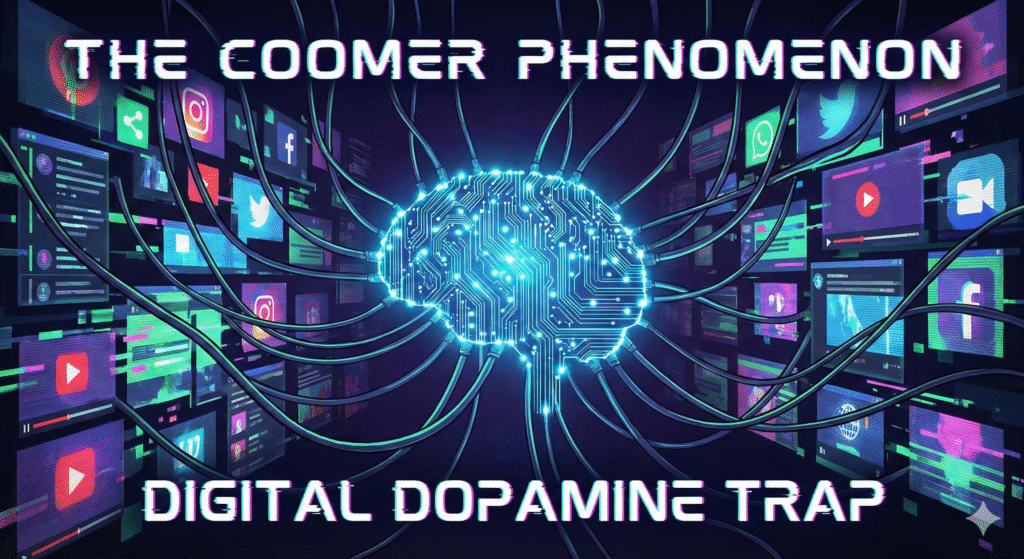
In the sprawling, chaotic landscape of the modern internet, language evolves at a breakneck pace. Memes are no longer just funny images; they are complex cultural signifiers that categorize behaviors, anxieties, and societal trends. Among the most potent and controversial of these archetypes is the Coomer. Emerging from the underground forums of the web, this term has transcended its crude origins to become a defining symbol of digital addiction and the consequences of hyper-consumption. While often wrapped in layers of irony and ridicule, the Coomer phenomenon points to a very real and pervasive issue: the physiological and psychological impact of unlimited access to dopamine-triggering content.
Why should a serious digital observer care about a cartoon character with messy hair? Because the Coomer is a mirror reflecting the extreme end of a spectrum we all inhabit. We live in an economy designed to hijack our attention spans, and this archetype represents the total surrender to those forces. This article goes beyond the surface-level humor to explore the sociology, psychology, and digital mechanics behind the meme. We will dissect how high-speed internet, algorithmic feeds, and isolation have created a perfect storm for compulsive behavior, and importantly, we will discuss the growing counter-movements aimed at reclaiming digital autonomy. Prepare for a comprehensive analysis of one of the internet’s most defining modern characters.
The Origins and Etymology of the Coomer
The term Coomer did not appear out of thin air; it is the product of a specific lineage of internet folklore known as the “Wojak” universe. Wojaks are simple, MS Paint-style illustrations used to express empathy, mockery, or existential dread.
- Timeline: The specific character emerged around 2019 on imageboards like 4chan.
- Evolution: It began as a critique of the “NoFap” movement’s detractors but quickly evolved into a standalone archetype representing severe addiction.
- Spread: By 2020, the term had migrated to Twitter (now X), Reddit, and YouTube, entering the mainstream digital lexicon.
Decoding the Visual Identity
A picture is worth a thousand words, and the visual language of the Coomer meme is incredibly specific. The character is typically depicted as a disheveled variation of the standard Wojak, designed to physically manifest the symptoms of exhaustion and neglect.
- Physical Traits: Messy hair, unkempt stubble, and bloodshot eyes indicate a lack of self-care.
- The “Coomer Arm”: One arm is often drawn disproportionately large, a crude visual shorthand for excessive masturbation.
- Expression: A look of manic, yet hollow, gratification symbolizing the fleeting nature of the dopamine hit.
The Psychology of Supernormal Stimuli
At the heart of the Coomer condition is a concept evolutionary biologists call “supernormal stimuli.” This occurs when an artificial trigger is more effective than the natural trigger it mimics. The internet provides an endless supply of hyper-stimulating content that the human brain was never designed to process.
- Dopamine Flood: Digital content triggers reward pathways more intensely than real-life interactions.
- Desensitization: Over time, the brain requires more extreme content to achieve the same baseline of satisfaction.
- The Ratchet Effect: It is easy to escalate consumption, but psychologically difficult to de-escalate.
Digital Infrastructure as an Enabler
The rise of the Coomer lifestyle is technologically determined. In the era of dial-up, such an addiction was logistically difficult. Today, the infrastructure of the web is built to minimize friction between desire and consumption.
- Bandwidth: 5G and fiber optics allow for instant, high-definition streaming without buffering, removing the “pause” that allows for second thoughts.
- Portability: Smartphones ensure that the addictive supply is available 24/7, in any location.
- Privacy Tech: VPNs and Incognito modes remove the social friction and fear of discovery.
Comparative Analysis: Coomer vs. Other Archetypes
To understand the Coomer, one must understand his neighbors in the digital ecosystem. The internet categorizes users into “tribes” based on their generational outlook and digital habits.
Table 1: The Digital Archetype Matrix
| Archetype | Primary Trait | Emotional State | Relationship to Tech |
| Coomer | Compulsive Consumption | Dopamine-depleted / Foggy | Addicted (Slave to the algo) |
| Doomer | Nihilism / Despair | Depressed / Hopeless | Passive (Doomscrolling) |
| Zoomer | Trend-Chasing | Hyper-active / Anxious | Native (Social integration) |
| Bloomer | Optimism | Happy / Naive | Balanced (Tool usage) |
The Role of Algorithmic Feeds
Platforms like TikTok, Instagram Reels, and X do not just host content; they actively push it. The Coomer is often a victim of “recommendation engines” that are engineered to maximize time-on-site by feeding users increasingly stimulating clips.
- Auto-Play: The default setting on most apps removes the conscious decision to continue watching.
- Variable Rewards: Algorithms use intermittent reinforcement (like a slot machine) to keep users scrolling.
- Echo Chambers: The feed quickly narrows to show only the specific content the user interacts with, deepening the obsession.
Social Isolation and the Loneliness Epidemic
There is a strong correlation between the behaviors associated with the Coomer meme and the modern crisis of loneliness. As traditional community structures (clubs, religious groups, third places) erode, digital surrogates rush in to fill the void.
- Replacement Theory: Digital intimacy is safer and easier than the vulnerability required for real relationships.
- The Feedback Loop: Excessive consumption leads to shame, which leads to withdrawal, which leads to more consumption.
- Safe Spaces: Online forums allow addicts to normalize their behavior rather than seek help.
The “Simp” Economy and Parasocial Relationships
The Coomer is not just a consumer of static content; they are often a financial pillar of the creator economy. The rise of platforms like OnlyFans has monetized parasocial interaction, where users pay for the illusion of a relationship.
- Financial Drain: Many individuals spend significant portions of their income on subscriptions and tips.
- False Intimacy: The transaction creates a one-sided bond where the user feels “known” by the creator.
- Market Demand: This behavior drives the market, incentivizing creators to produce more extreme content.
The Counter-Culture: NoFap and Retention
Every action has a reaction. The Coomer meme is frequently used as a cautionary tale by communities dedicated to abstinence and self-improvement, such as the NoFap or Semen Retention movements.
- The Pledge: Users commit to 90 days of abstinence to “reboot” their brain’s reward system.
- “Superpowers”: Anecdotal reports of increased confidence, energy, and focus after quitting.
- Gamification: Using streak counters and badges to turn recovery into a competitive challenge.
Neuroplasticity and “Coomer Brain”
Scientific literature on addiction supports the idea that chronic over-consumption changes the brain’s physical structure. The Coomer phenomenon is essentially a layperson’s observation of neuroplasticity gone wrong.
- Gray Matter Reduction: Some studies suggest shrinkage in the prefrontal cortex, the area responsible for willpower.
- Reward Deficiency Syndrome: A state where normal life activities (reading, walking, socializing) feel boring.
- Impulse Control: The weakening of the connection between intention and action.
Coomer as a Broader Critique of Consumerism
While sexual content is the primary focus, the term Coomer has mutated to critique broader consumerist culture. It is increasingly used to describe anyone who blindly consumes products be it Funko Pops, video games, or superhero movies to fill a spiritual void.
- “Consoomer”: A variation of the meme targeting those obsessed with brand loyalty and merchandise.
- Passive Existence: The critique focuses on a life spent watching and buying rather than creating and doing.
- Corporate Dependence: Highlighting how identity is now derived from what we buy, not who we are.
Health Consequences: Fact vs. Fiction
The meme exaggerates physical symptoms for comedic effect, but the underlying health reality is concerning. The sedentary lifestyle of the Coomer poses real risks.
- Sedentary Issues: Poor posture, weight gain, and cardiovascular issues from hours at a computer.
- Sleep Disruption: Blue light exposure and dopamine spikes disrupt circadian rhythms.
- Sexual Dysfunction: Increasing rates of ED (Erectile Dysfunction) in young men are linked to desensitization.
Parental Guidance in the Digital Age
For parents, the Coomer meme is a red flag. It highlights the ease with which minors can stumble into addictive cycles. Understanding the meme helps guardians recognize the signs of digital burnout in teenagers.
- Content Filters: The necessity of ISP-level blocking tools.
- Open Dialogue: Discussing the unrealistic nature of online content rather than just banning it.
- Behavioral Signs: Watching for withdrawal from sports, family dinners, or hobbies.
Dopamine Detox: The Recovery Roadmap
Is there a way back? The concept of a “Dopamine Detox” is the antidote to the Coomer lifestyle. It involves a calculated withdrawal from high-stimulation activities to reset the brain’s baseline.
Table 2: Phases of a Dopamine Detox
| Phase | Duration | Activities Restricted | Goal |
| The Hard Reset | 24-48 Hours | No screens, no music, no junk food | Break the immediate compulsion loop. |
| The Calibration | 1-2 Weeks | Essential tech only, grayscale screen mode | Reintroduce boredom as a natural state. |
| The Integration | Ongoing | Scheduled tech use, content blockers | Sustainable, conscious consumption. |
Criticism and Controversy
It is crucial to acknowledge that the Coomer meme can be bullying. It is often used to shame individuals rather than help them. Critics argue that using derogatory slang deepens the stigma and makes individuals less likely to seek professional help.
- Cyberbullying: The term is frequently weaponized in online arguments.
- Misogyny: Some iterations of the meme unfairly blame women/creators for the addiction of users.
- Lack of Nuance: The meme treats a complex psychological issue as a punchline.
The Future of the Archetype
As we move toward the Metaverse and VR, the Coomer phenomenon may evolve into something more immersive and potentially more damaging. However, the rising awareness of “digital wellness” suggests a pushback is coming.
- Virtual Reality: The next frontier of addiction.
- AI Companions: Chatbots designed to replace human intimacy entirely.
- The Pendulum Swing: A cultural shift toward “trad” (traditional) lifestyles as a rebellion against digital excess.
Frequently Asked Questions
What does the slang term “Coomer” actually mean?
In internet slang, a Coomer is a derogatory caricature of a person who is severely addicted to masturbation and pornography. It is often used to describe someone whose life is dominated by the consumption of adult content to the point of physical and mental exhaustion.
Is the Coomer meme just about adult content?
Primarily, yes. However, the term has expanded to include the “Consoomer” variation, which critiques people addicted to buying toys, video games, and pop culture merchandise. In this broader sense, it mocks anyone who seeks fulfillment through passive consumption.
Where did the Coomer meme originate?
The meme originated on the 4chan imageboard /fit/ (Fitness) and /tv/ (Television) around late 2019. It started as part of the “Wojak” meme family, serving as a counter-argument to the “NoFap” challenge before becoming a standalone character.
What are key signs of the “Coomer” lifestyle?
The meme exaggerates signs like messy hair, pale skin, and bags under the eyes. In reality, the signs of the lifestyle it mocks include social withdrawal, lack of motivation (“brain fog”), irritability when away from the internet, and an inability to enjoy low-dopamine activities like reading.
How does the “Coomer” differ from the “Doomer”?
While both are unhappy figures, the Coomer copes with life through hedonistic pleasure and distraction. The Doomer, on the other hand, is defined by a deep sense of hopelessness, nihilism, and despair about the state of the world, often without the “pleasure” seeking aspect.
What is the “Coomer Pledge”?
The “Coomer Pledge” is an internet challenge, often ironic but sometimes serious, where users vow to “ascend” from their current state. This involves quitting adult content, hitting the gym, and improving their diet to escape the Coomer archetype.
Is there a cure for this type of digital addiction?
Yes, though it requires effort. Strategies include “Dopamine Detoxes,” using software blockers to limit access to sites, seeking therapy for underlying issues like anxiety, and re-engaging with physical hobbies (sports, woodworking, etc.) to retrain the brain’s reward system.
Conclusion
The Coomer is more than a grotesque drawing on a message board; it is a warning siren for the digital age. It represents the logical endpoint of a society where pleasure is infinite, free, and accessible at the tap of a glass screen. While the internet treats the character with scorn and ridicule, the reality is that the forces creating the Coomer algorithms, isolation, and supernormal stimuli are targeting all of us.
Understanding this phenomenon is the first step toward digital self-defense. By recognizing the mechanics of addiction and the hollowness of passive consumption, we can make conscious choices to reclaim our attention. Whether through a dopamine detox or simply putting the phone down to take a walk, escaping the Coomer trap is about choosing the difficult, rewarding reality over the easy, draining simulation. In a world fighting for your eyes, looking away is the ultimate act of rebellion.