In an age dominated by cloud computing and invisible data streams, the physical medium of vinyl has staged an improbable comeback, transcending its status as a relic of the past to become a cornerstone of the modern digital information ecosystem. While high-definition streaming services offer convenience, they often lack the tactile soul and archival permanence that enthusiasts crave. Today, vinyl represents more than just music; it is a statement against the fleeting nature of digital ownership.
Understanding the intersection of analog warmth and digital metadata is essential for anyone navigating the current media landscape. Whether you are a collector looking to preserve history or a technophile interested in high-fidelity audio engineering, the resurgence of the record is a fascinating study in consumer behavior and information theory. This article provides a comprehensive deep dive into the technical mechanics, the cultural significance, and the future trajectory of this resilient format. We will explore how vinyl solves the “digital fatigue” problem and why its physical grooves offer a level of information depth that even the highest-bitrate FLAC files struggle to replicate. By the end of this guide, you will understand how to integrate this analog masterpiece into your digital life, ensuring your collection is both a sensory delight and a sound financial investment.
The Technical Anatomy of a Vinyl Record
To understand why vinyl sounds the way it does, one must look at the physical engineering behind the disc. Unlike digital files that represent sound as a series of 1s and 0s, a record stores audio as a continuous undulating groove.
The stylus, or needle, travels through these micro-valleys, converting physical vibrations into electrical signals.
- Micro-grooves: Precision-cut paths that hold the stereo information.
- Polyvinyl Chloride: The durable plastic compound used for pressing.
- Lateral vs. Vertical: How sound waves are represented in the left and right channels.
The Analog vs. Digital Fidelity Debate
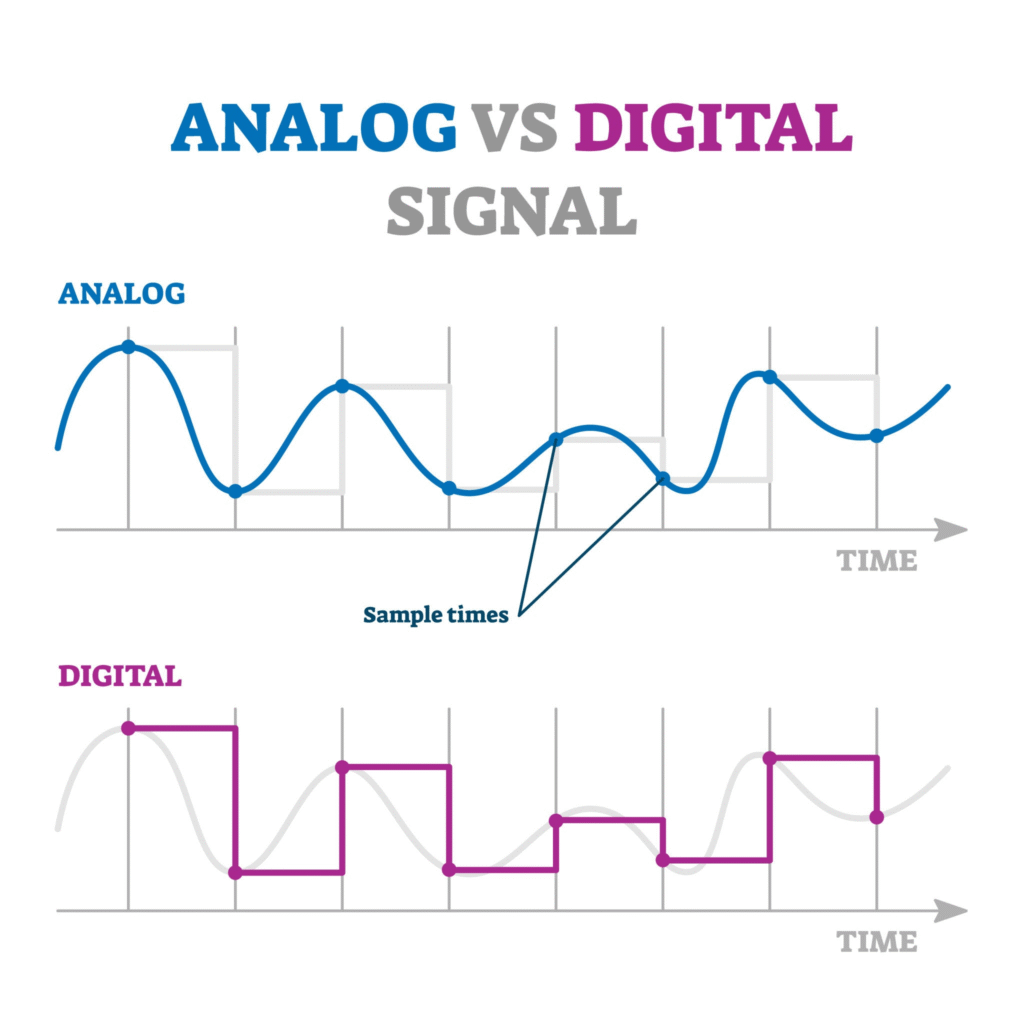
The core of the vinyl experience is the “warmth” of analog sound. In digital audio, sound waves are “sampled” at specific intervals, which can lead to a stair-step approximation of the original wave.
Analog recording captures the entire continuous wave, resulting in a harmonic richness that many find more natural.
- Sampling Rate: The frequency at which digital audio is captured.
- Harmonic Distortion: The pleasing “coloring” of sound that analog provides.
- Dynamic Range: The difference between the quietest and loudest parts of a recording.
How Vinyl Became a Digital Information Asset
In the information niche, vinyl is now viewed as a decentralized data storage device. Unlike a subscription service where you lose access to your library if the company folds, a record is a permanent offline asset.
Collectors are increasingly using digital databases like Discogs to track the metadata and value of their physical collections.
- Ownership: Total control over the media without DRM (Digital Rights Management).
- Metadata Integrity: Physical liner notes provide verified historical information.
- Archival Value: Properly stored records can last for over a century.
The Role of Turntables in Modern Tech Stacks
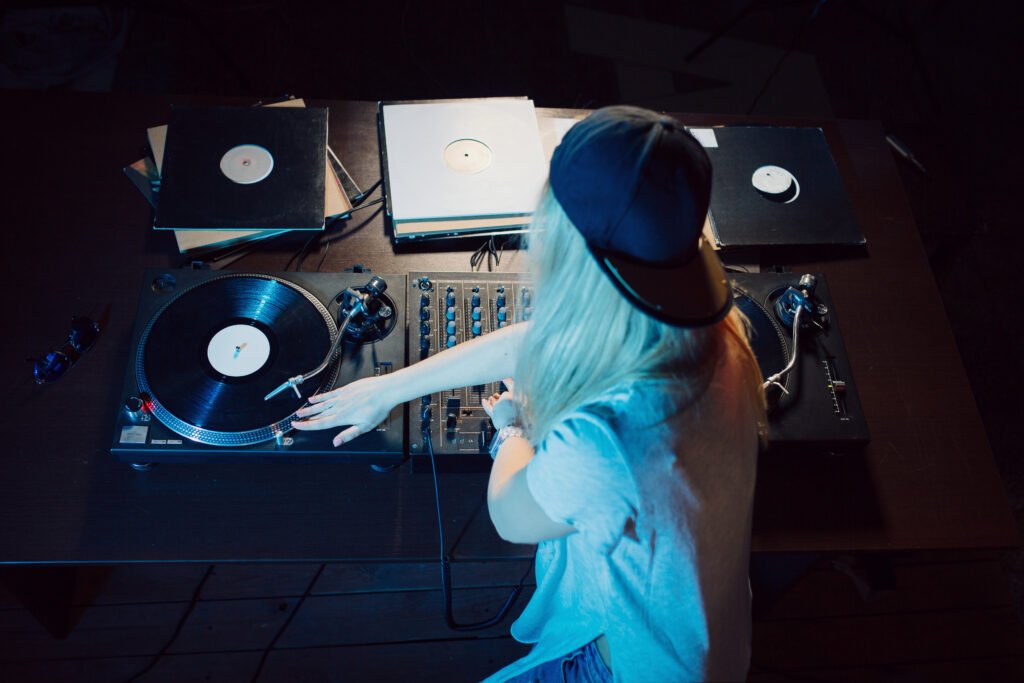
A modern turntable is no longer just a standalone player; it is often a sophisticated piece of hardware integrated into a digital home network. Many high-end players now feature USB outputs and built-in preamps.
This allows for the “ripping” of analog sound into high-resolution digital formats for portable listening.
- A/D Converters: Analog-to-Digital circuits that preserve sound quality.
- Direct Drive vs. Belt Drive: Different motor technologies for speed stability.
- Tonearm Precision: The engineering required to track the groove without skipping.
Pressing Plants: The Manufacturing Information Loop
The manufacturing of vinyl is a complex information-heavy process. It starts with a “lacquer master” and ends with thousands of identical copies. The scarcity of pressing plants globally has made production information highly valuable.
- Mastering: Adjusting the frequency response specifically for physical limits.
- Electroplating: Creating the “stamper” used in the hydraulic press.
- Quality Control: Using visual and auditory inspections to ensure data integrity.
The Resurgence of Vinyl Sales Statistics
The data behind the comeback is undeniable. For the first time in decades, physical record sales have surpassed CD sales in several major markets. This shift indicates a profound change in user intent.
| Year | Vinyl Sales (Units in Millions) | Revenue Growth (%) |
| 2020 | 27.5 | 28.5% |
| 2021 | 41.7 | 51.4% |
| 2022 | 43.5 | 17.2% |
| 2023 | 49.6 | 14.3% |
Why Collectors Prize Specific Pressings
In the world of vinyl, not all copies are created equal. The information regarding which plant pressed a record and which engineer mastered it can change the value from $20 to $2,000.
- First Pressing: The original batch, often considered the highest fidelity.
- Matrix Numbers: Etched codes in the “dead wax” that identify the source.
- Audiophile Labels: Companies like Mobile Fidelity that focus on extreme quality.
Digital Integration: Using Apps to Manage Vinyl
Collecting has become a data-driven hobby. Enthusiasts use mobile applications to scan barcodes and manage their inventory, bridging the gap between physical and digital worlds.
- Discogs API: The industry standard for pricing and cataloging.
- Shazam Integration: Identifying unknown tracks to find their physical versions.
- Virtual Crate Digging: Using social media to find rare releases online.
The Environmental Impact of Vinyl Production
While vinyl is a beloved medium, its production involves petroleum-based plastics. The tech community is currently researching more sustainable information regarding “Eco-Vinyl.”
- Bio-Vinyl: Records made from recycled cooking oils or plant-based materials.
- Recycled Compound: Grinding down old records to make new ones.
- Carbon Offsetting: Shipping and manufacturing strategies to reduce footprints.
Spatial Audio and the Future of Analog
As digital audio moves toward 360-degree spatial sound, vinyl remains a steadfastly stereo experience. However, there are experimental “HD Vinyl” technologies that aim to pack more information into the grooves.
- Laser Cutting: Using lasers to create masters with more precise detail.
- Extended Play: Optimizing groove spacing to increase playtime per side.
- Hybrid Formats: Records that include digital download codes for Atmos versions.
Maintenance as Information Management
Keeping a record collection in pristine condition requires a specific set of protocols. Cleaning a record is essentially “cleaning the data” to ensure the stylus can read the information correctly.
- Ultrasonic Cleaning: Using sound waves to remove deep-seated dust.
- Anti-Static Brushes: Preventing electrical charge from attracting debris.
- Proper Storage: Vertical alignment to prevent warping and data loss.
The Psychology of the Physical Medium
Digital fatigue is real. The act of selecting a record, placing it on the platter, and dropping the needle forces a “mindful” interaction with information that streaming lacks.
- Tactile Feedback: The feeling of the sleeve and the weight of the disc.
- Active Listening: The ritual prevents the “background noise” effect.
- Album Art: Large-scale visual information that complements the audio.
Investment Potential of Rare Records
A savvy collector views vinyl as a high-yield alternative investment. Much like cryptocurrency or fine art, rare pressings have shown consistent appreciation in the digital era.
- Condition Grading: The “Goldmine” standard from Mint to Poor.
- Rarity Factor: Limited editions and colored variants.
- Artist Legacy: How the death or retirement of an artist impacts market data.
Ripping Vinyl: Preserving the Analog Soul
Many audiophiles perform “Vinyl Rips” to create digital backups of their rare records. This involves high-end sound cards and careful calibration to ensure no information is lost in the transfer.
- 24-bit/192kHz: The preferred digital resolution for analog backups.
- De-clicking Software: Removing surface noise digitally without affecting the music.
- Metadata Tagging: Adding digital info to the resulting files.
The Vinyl Community: A Global Information Network
From Reddit forums to local record store meetups, the community around vinyl is a robust network for sharing tips, sales data, and technical advice.
- Crate Digging: The hunt for rare gems in physical locations.
- Online Auctions: Global marketplaces where information dictates the price.
- Listening Parties: Physical gatherings centered around a specific album playback.
Troubleshooting Common Audio Issues
When the analog signal fails, it is usually due to a physical error in the information loop. Knowing how to diagnose these issues is vital for any user.
- Inner Groove Distortion: Loss of quality as the needle reaches the center.
- Wow and Flutter: Variations in pitch caused by speed inconsistency.
- Tracking Force: Adjusting the weight of the needle for optimal reading.
Designing the Ultimate Hi-Fi Listening Room
The environment plays a massive role in how the information from a record is perceived. Room acoustics and speaker placement are technical variables that must be managed.
- Acoustic Panels: Dampening reflections for clearer sound.
- Isolation Platforms: Preventing floor vibrations from reaching the turntable.
- Speaker Geometry: The “sweet spot” for stereo imaging.
Why Vinyl Survives in an Instant-Access Era
Ultimately, vinyl survives because it offers something that digital information cannot: a physical anchor. In a world where everything is “as-a-service,” the record remains a permanent, tangible piece of human culture.
- The Counter-Culture: A rejection of algorithmic music discovery.
- Authenticity: The “warts and all” nature of analog recordings.
- Heritage: Passing down a physical library to the next generation.
Comparison of Analog vs. Digital Formats
| Feature | Vinyl (Analog) | FLAC (Digital) | MP3 (Compressed) |
| Data Type | Continuous Physical Wave | Lossless Digital Samples | Lossy Digital Samples |
| Ownership | Physical Perpetual | Digital File Perpetual | Licensed / Streamed |
| Durability | Sensitive to Scratches | Near Infinite (Backups) | Infinite |
| Frequency | 7Hz – 50kHz+ | 20Hz – 96kHz | 20Hz – 20kHz |
| Ritual | High Involvement | Low Involvement | Automated |
Frequently Asked Questions
Is vinyl actually better than digital audio?
“Better” is subjective. Technically, high-resolution digital audio (FLAC) can have a wider dynamic range and a lower noise floor. However, vinyl enthusiasts argue that the harmonic distortion and physical interaction provide a “musicality” and “warmth” that digital cannot emulate. It’s more about the experience than pure mathematical specs.
How do I start a vinyl collection without spending a fortune?
Start by visiting local thrift stores or used record shops. Look for “sleeper” titles great albums that aren’t currently trending. Invest in a decent entry-level turntable with an upgradeable cartridge. Avoid the ultra-cheap “suitcase” players, as they can actually damage the grooves of your records over time.
Why are some records heavier than others?
You will often see labels like “180g Vinyl.” This refers to the weight of the disc. Heavier records are generally more durable, less prone to warping, and provide a more stable platform for the stylus. While the weight doesn’t automatically mean better sound quality, it often indicates a higher-quality pressing process.
Can I play old records on a new turntable?
Yes! Almost all modern turntables are designed to play standard 33 1/3 and 45 RPM records. If you have very old 78 RPM records from the early 20th century, you will need a specific player and a wider stylus, as those grooves are different from modern micro-grooves.
What is the “loudness war” and how does it affect vinyl?
The “loudness war” refers to the digital trend of mastering music at maximum volume, which kills dynamic range. Because vinyl has physical limits (too much bass or volume will make the needle jump), records are often mastered more conservatively, resulting in a more balanced and “breathable” sound.
How should I clean my records?
For daily use, a carbon fiber anti-static brush is sufficient. For deep cleaning, a wet-cleaning system using distilled water and a specialized solution is best. Never use tap water, as the minerals can leave deposits in the grooves, creating “hiss” and “pops” in the audio.
Does the color of the vinyl affect the sound?
Generally, standard black is considered the most stable. Transparent or multi-colored “splatter” variants can sometimes have a slightly higher noise floor due to the different cooling rates of the plastics. However, modern manufacturing has closed this gap significantly, and most listeners won’t notice a difference.
Conclusion
The enduring legacy of vinyl in a digital world is a testament to the human need for tangible connection. While we live in a time of infinite, frictionless information, the friction between a diamond stylus and a record groove provides a grounding experience that data points alone cannot offer. It is a format that demands respect, maintenance, and presence, rewarding the user with a level of fidelity and ownership that is becoming increasingly rare.
As we look toward the future, the integration of analog hardware with digital management tools ensures that the record collection is no longer a “dumb” asset, but a vibrant part of a modern, data-rich lifestyle. Whether you are attracted to the investment potential, the technical mastery of analog audio, or simply the large-scale artwork, vinyl offers a complete solution to digital exhaustion. Embrace the ritual, protect your grooves, and enjoy the warmest way to experience the history of sound.