
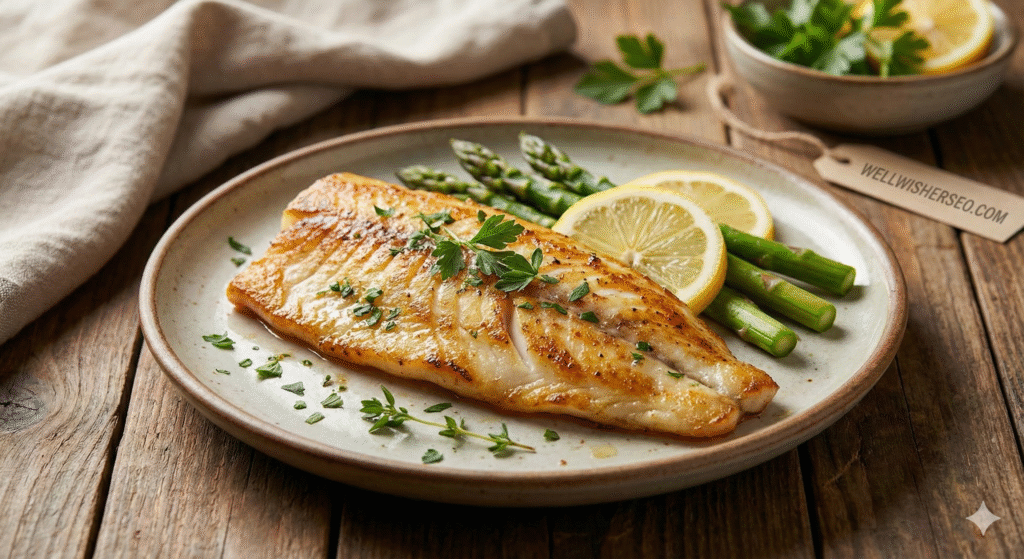
Have you ever stood in the frozen seafood aisle, staring at a package labeled “Alaskan Seiti” and wondered what exactly you’re looking at? You aren’t alone. While the name might sound exotic to some, this fish is likely one of the most common, sustainable, and versatile ingredients you’ve unknowingly enjoyed for years. Often known globally as Alaska Pollock, Alaskan Seiti is a nutritional powerhouse that offers a mild flavor perfect for families and gourmet chefs alike.
In a world where sustainable food sources are becoming critical, this wild-caught treasure from the icy North Pacific stands out. It’s affordable, packed with lean protein, and incredibly easy to cook. In this guide, we will dive deep into everything you need to know about this fish, from its health benefits to the best ways to bring out its delicate flavor on your dinner plate.
What Is Alaskan Seiti?
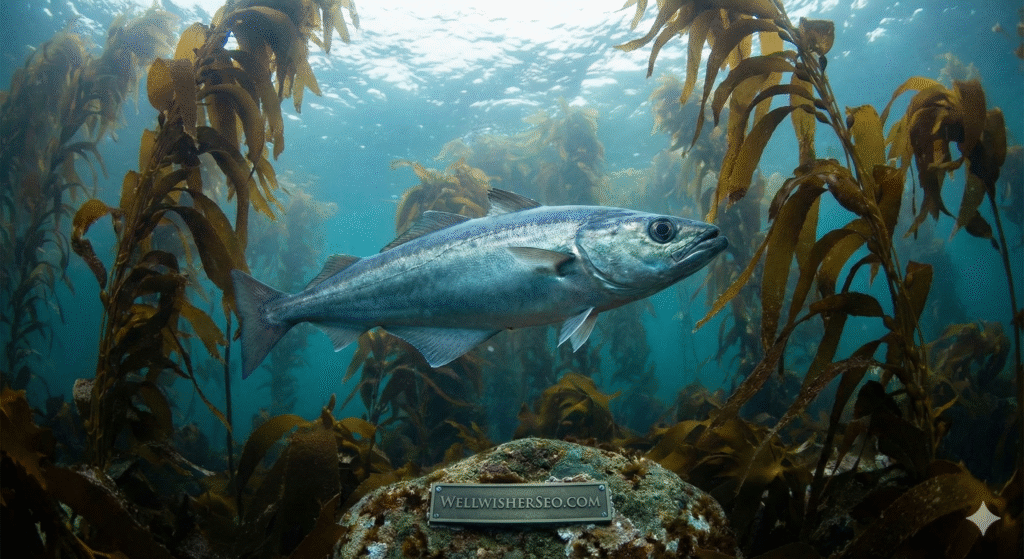
Alaskan Seiti is the market name often used in specific regions (like Finland, where “Seiti” means Pollock) for Alaska Pollock (Gadus chalcogrammus). It is a member of the cod family but differs significantly from the Atlantic Cod you might be used to.
- Species: Gadus chalcogrammus
- Family: Gadidae (Cod family)
- Common Forms: Fillets, fish sticks, and surimi (imitation crab).
This fish is not farmed; it is wild-caught in the pristine, icy waters of Alaska. It is celebrated for its white, flaky flesh and ability to take on various seasonings without overpowering the dish.
The Origins and Habitat
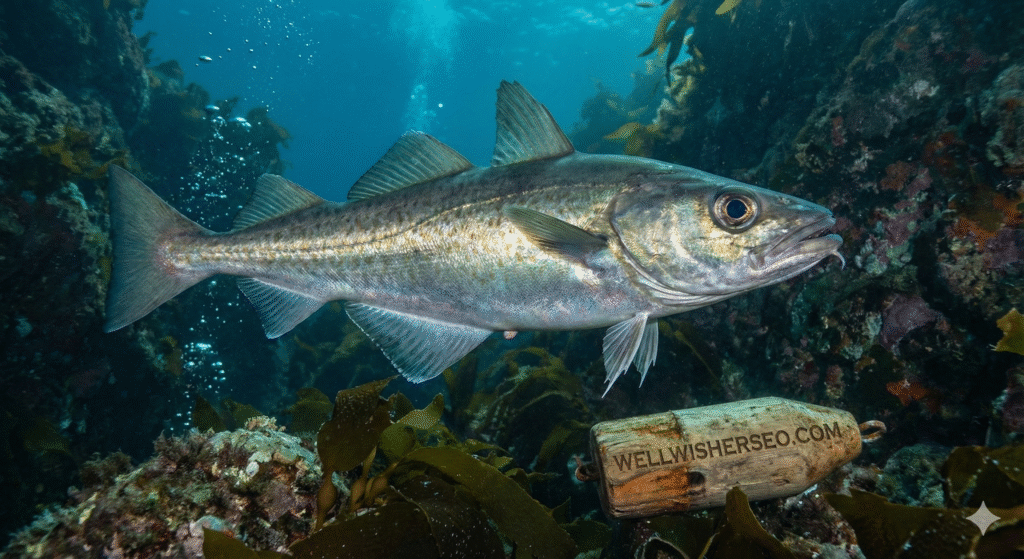
Understanding where your food comes from is the first step to appreciating its quality. Alaskan Seiti thrives in the cold, nutrient-rich waters of the North Pacific Ocean, specifically the Bering Sea and the Gulf of Alaska.
- Location: North Pacific Ocean (FAO Area 67).
- Environment: Deep, cold waters which contribute to its firm texture.
- Harvesting: Strictly regulated by US authorities to prevent overfishing.
These chilly waters ensure the fish develops a clean taste and a texture that holds up well during freezing and transport, ensuring it reaches your kitchen in peak condition.
Nutritional Profile Breakdown
If you are tracking your macros or just trying to eat healthier, Alaskan Seiti is a dream ingredient. It is what nutritionists call a “high-protein, low-fat” food.
- Calories: Extremely low (approx. 80-90 kcal per 100g).
- Protein: roughly 17-20g per serving.
- Fat: Less than 1g of fat, making it very lean.
This profile makes it an excellent choice for anyone looking to build muscle without consuming excess calories. It effectively provides the building blocks your body needs without the heavy saturated fats found in red meat.
Heart Health and Omega-3s
While it is a lean fish, Alaskan Seiti still packs a punch when it comes to heart-healthy fatty acids. It may not have the high fat content of salmon, but the quality of fats it does possess is vital.
- EPA & DHA: Contains essential Omega-3 fatty acids.
- Cholesterol: Naturally low levels.
- Benefits: Supports cardiovascular health and reduces inflammation.
Regular consumption of white fish like seiti has been linked to better blood pressure regulation and overall heart maintenance, making it a smart weekly addition to your diet.
Weight Loss and Satiety
Struggling to find satisfying meals that fit a calorie-deficit diet? This fish is your answer. Because it is almost pure protein and water, it is highly satiating.
- Fullness Factor: Protein reduces hunger hormones (ghrelin).
- Volume Eating: You can eat a larger portion for fewer calories compared to beef.
- Metabolism: Digesting protein burns more calories (thermic effect of food).
Incorporating this fish into lunch or dinner can prevent late-night snacking by keeping you fuller for longer.
Taste Profile: Mild and Versatile
One of the biggest barriers to eating seafood for many people is the “fishy” taste. Alaskan Seiti solves this problem completely.
- Flavor: Very mild, slightly sweet, and clean.
- Aroma: Fresh ocean scent, not pungent or “fishy.”
- Comparison: milder than salmon, similar to cod but lighter.
This neutral flavor profile makes it the perfect canvas for bold sauces, spicy rubs, or simple herb butter. It won’t fight against the flavors of your dish; instead, it absorbs them beautifully.
Texture and Culinary Uses
The texture of this fish is distinctively flaky yet firm enough to handle various cooking methods if treated with care.
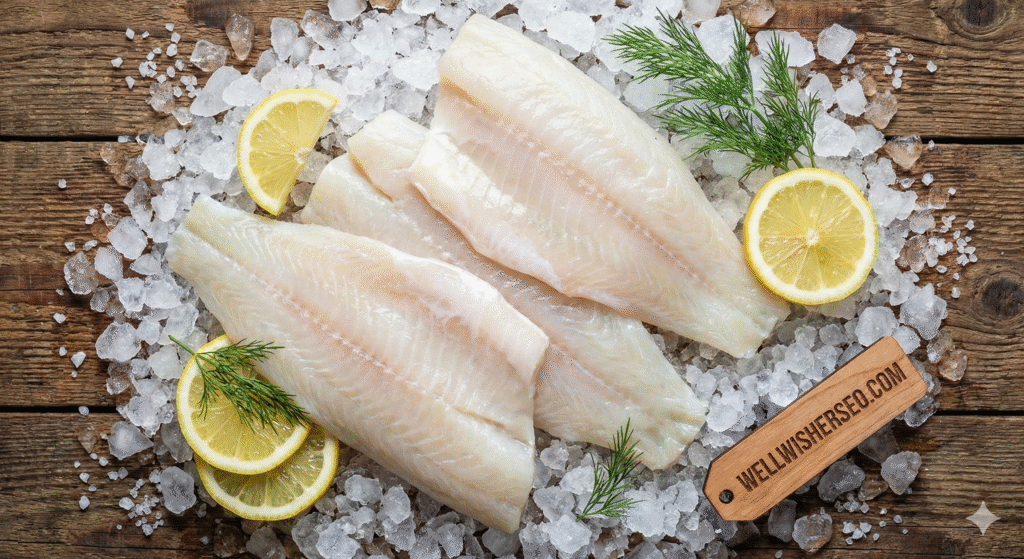
- Raw: Firm and white.
- Cooked: Tender, snow-white large flakes.
- Best Uses: Fish tacos, curries, chowders, and baking.
Because the flakes are tender, it requires a gentle hand. It is less dense than swordfish but holds together better than some softer flatfish, making it ideal for breading and frying.
The Sustainability Factor
Alaskan Seiti represents one of the most sustainable fisheries on the planet. The US fishery management system in Alaska is considered the gold standard globally.
- Bycatch: Kept to an absolute minimum through specialized gear.
- Quotas: Strict catch limits ensure the population remains healthy.
- Certification: often MSC (Marine Stewardship Council) certified.
When you buy this fish, you are voting for responsible ocean stewardship. You can eat it with a clear conscience, knowing you aren’t depleting the ocean’s resources.
Comparison: Alaskan Seiti vs. Atlantic Cod
Shoppers often confuse these two white fish. While related, there are key differences that might influence which one you buy for dinner.
- Price: Seiti is generally more affordable than Atlantic Cod.
- Texture: Cod has larger, firmer flakes; Seiti is slightly softer.
- Moisture: Seiti has a slightly higher water content.
If you are making traditional British fish and chips, Cod is classic, but for a Tuesday night fish curry or taco night, Seiti is the more economical and equally delicious option.
Buying Guide: Frozen vs. Fresh
In most parts of the world, you will find Alaskan Seiti in the frozen section. This is actually a good thing!
- Flash Frozen: Fish is frozen at sea within hours of catch, locking in freshness.
- Quality: Often “fresher” than unfrozen fish sitting on a counter for days.
- Labels: Look for “Single Frozen” or “Once Frozen” for the best texture.
Don’t be afraid of the freezer aisle. Modern freezing technology preserves the cellular structure of the fish, ensuring it tastes just as good as the day it was caught.
Proper Thawing Techniques
To get the best texture, you must thaw the fish correctly. Rushing this process can lead to mushy meat.
- Refrigerator Method: Place frozen fillets in the fridge overnight (best method).
- Cold Water: Seal fish in a bag and submerge in cold water for 30 mins.
- Avoid: Never thaw in hot water or the microwave.
Slow thawing preserves the moisture inside the muscle fibers. If you thaw it too fast, the liquid escapes, leaving you with dry, rubbery fish.
Cooking Method: Pan-Seering
Pan-seering is a quick way to get a delicious golden crust on your fillets.
- Heat: Use medium-high heat.
- Oil: Butter and olive oil mix works best.
- Time: 2-3 minutes per side.
Pat the fish completely dry before it hits the pan. Moisture is the enemy of browning. A light dusting of flour can also help create that restaurant-style crispy exterior.
Cooking Method: Baking
Baking is the easiest “set it and forget it” method, perfect for healthy weeknight dinners.
- Temperature: 400°F (200°C).
- Preparation: Brush with oil, lemon, and herbs.
- Time: 12-15 minutes, depending on thickness.
Baking retains the moisture well. You can also bake it “en papillote” (in parchment paper) with vegetables to steam the fish gently in its own juices.
Perfect for Soups and Chowders
Because Alaskan Seiti has a mild flavor, it is an excellent addition to creamy chowders or tomato-based stews.
- Timing: Add it at the very end of cooking.
- Technique: Cut into chunks and simmer for just 5 minutes.
- Pairing: Works well with potatoes, corn, and heavy cream.
Unlike beef or chicken, fish does not need hours to tenderize. Adding it too early will cause it to disintegrate, so always save it for the final simmer.
Kid-Friendly Fish Sticks
If you have picky eaters, homemade fish sticks using this fish are a game-changer.
- Coating: Panko breadcrumbs for extra crunch.
- Cooking: Air fryer or oven-baked to reduce oil.
- Dip: Serve with a simple yogurt-dill sauce or ketchup.
Since the flavor is not “fishy,” children usually accept it happily. It is a much healthier alternative to processed frozen nuggets found in stores.
Mercury and Safety
One of the major concerns with seafood consumption is heavy metals. Alaskan Seiti scores very well here.
- Trophic Level: It is a smaller, short-lived fish, so it accumulates less mercury.
- Safety: FDA lists it as a “Best Choice” for low mercury.
- Pregnancy: Generally considered safe for pregnant women and children (always consult a doctor).
You can enjoy this fish multiple times a week without the heavy metal anxiety associated with larger predators like tuna or swordfish.
Storage Tips
Once you have brought your fish home or cooked it, proper storage is key to safety and taste.
- Raw: Keep in the coldest part of the fridge; use within 1-2 days of thawing.
- Cooked: Store in an airtight container for up to 3 days.
- Leftovers: Great for flaking into salads or pasta the next day.
If you have cooked fish that you can’t eat within three days, it’s best to freeze it, though the texture may change slightly upon reheating.
Why Choose Wild-Caught?
Choosing wild Alaskan Seiti over farmed alternatives has broader impacts than just taste.
- Environment: No antibiotics, pesticides, or artificial dyes.
- Ecosystem: Supports a natural marine food web.
- Nutrients: diverse natural diet leads to a better nutrient profile.
By choosing wild, you are eating fish as nature intended—clean, lean, and free from the additives often required in industrial aquaculture.
Nutritional & Cooking Data
To help you visualize how Alaskan Seiti stacks up against other popular choices, here is a quick comparison.
Table 1: Nutritional Comparison (per 100g raw)
| Nutrient | Alaskan Seiti (Pollock) | Atlantic Cod | Farmed Salmon |
| Calories | ~81 kcal | ~82 kcal | ~208 kcal |
| Protein | 17.2g | 17.8g | 20g |
| Total Fat | 0.8g | 0.7g | 13g |
| Omega-3s | Moderate | Moderate | High |
| Mercury | Low | Low | Low-Moderate |
Table 2: Quick Cooking Cheat Sheet
| Method | Temperature | Time | Best For |
| Pan-Fry | Medium-High | 3-4 mins/side | Crispy skin, butter sauces |
| Baking | 400°F (200°C) | 12-15 mins | Healthy dinners, large fillets |
| Poaching | Simmering liquid | 5-7 mins | Soups, curries, invalid diets |
| Air Fry | 390°F (195°C) | 8-10 mins | Fish sticks, breaded fillets |
Frequently Asked Questions
Is Alaskan Seiti the same as Pollock?
Yes, “Seiti” is the Finnish word for Pollock/Saithe. In the context of “Alaskan Seiti,” it specifically refers to Alaska Pollock. It is the same whitefish used globally in high-quality frozen fish products.
Can I eat Alaskan Seiti raw (sushi)?
While the fish is high quality, you should only eat it raw if it is labeled “sushi-grade.” Most frozen fillets are intended to be cooked. However, Alaska Pollock roe is a very popular raw delicacy in sushi cuisine.
How do I stop the fish from falling apart in the pan?
The key is to not overcrowd the pan and to let a crust form before flipping. Use a wide, flexible spatula. If you try to move it too early, the delicate flakes will separate.
Is this fish good for a keto diet?
Absolutely. With zero carbohydrates and high protein content, it is a perfect staple for Keto, Paleo, and Whole30 diets. Just ensure your breading or sauces are also compliant.
Why is Alaskan Seiti so affordable?
It is not because of low quality; it is because of abundance. The Alaska Pollock fishery is one of the largest and most well-managed in the world, allowing for a steady supply that keeps prices stable.
Does it smell strong when cooking?
No. Fresh or properly frozen Alaskan Seiti has a very neutral smell. If your fish smells pungent or ammonia-like, it has likely gone bad or wasn’t stored correctly and should be discarded.
What spices go best with this fish?
Since the flavor is mild, it pairs with almost anything. Lemon pepper, dill, garlic butter, cajun seasoning, and smoked paprika are excellent choices. It also holds up well to soy sauce and ginger glazes.
Conclusion
Alaskan Seiti is more than just a budget-friendly option in the freezer aisle; it is a sustainable, nutritious, and delicious protein that deserves a regular spot in your meal rotation. Whether you are looking to improve your heart health, feed a hungry family on a budget, or simply try a new seafood recipe, this fish delivers on all fronts. Its mild taste makes it the perfect introduction for seafood beginners, while its impressive nutritional profile keeps health enthusiasts coming back.
So, the next time you are planning your weekly grocery list, skip the expensive cuts and give this wild-caught wonder a try. Your health, your wallet, and the oceans will thank you.