The maritime industry is riding a massive wave of digital transformation. Today, boaters rarely plan their trips from a desktop computer. Instead, they look for docks, check fuel prices, and book slips directly from their smartphones while out on the water. If your marina website feels like a relic from the early internet era, you are likely losing business to modern competitors before a captain even drops anchor. Delivering a flawless smartphone experience is no longer optional; it is the absolute baseline for survival in a tech-driven marketplace.
Creating a responsive online platform requires a strategic blend of speed, clean design, and specialized marine tools. Owners need systems that update slip availability in real time, process payments securely on small screens, and offer easy navigation through touchscreens. This comprehensive guide explores the top solutions for mobile-friendly marina websites, giving you actionable strategies to upgrade your virtual waterfront. By adopting these modern tools, you can turn casual online visitors into loyal, long-term slip tenants.
Cloud-Based Slip Management Integration
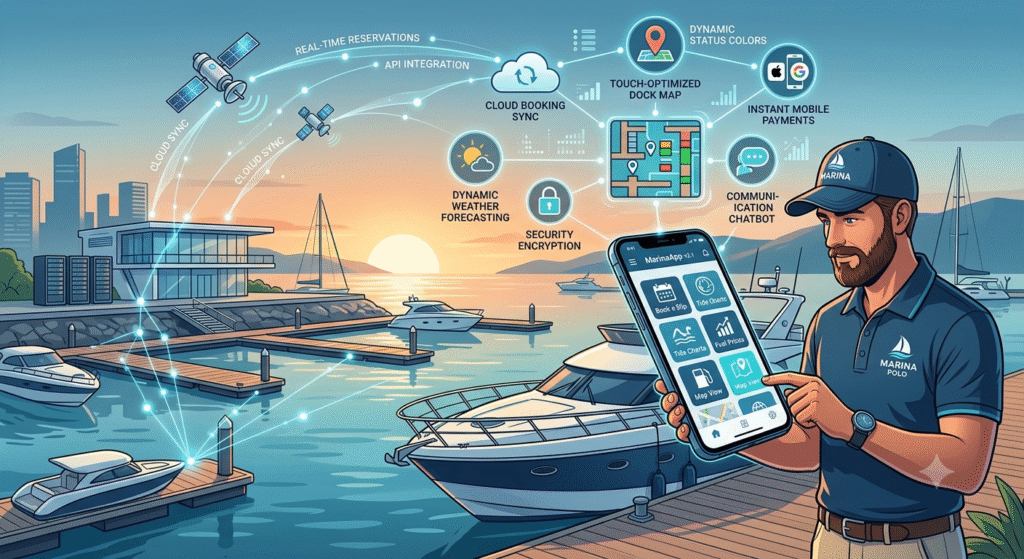
Managing transient reservations through spreadsheets or paper logs is highly inefficient. Modern marine operations rely heavily on cloud-based booking engines that integrate directly into responsive layouts. These platforms sync your inventory automatically, preventing accidental overbookings.
- Real-Time Booking: Allows boaters to view open berths and reserve spaces instantly from their smartphones.
- Automated Confirmations: Sends digital receipts, dock assignments, and gate codes via SMS or email immediately.
- Dynamic Pricing Tools: Adjusts seasonal rates automatically based on holidays, local boat shows, or weekend demand peaks.
Progressive Web App (PWA) Architecture
Progressive Web Apps offer a smart alternative to traditional responsive design. A PWA looks and acts exactly like a native smartphone app but runs directly inside a standard mobile web browser without requiring a download.
- Offline Functionality: Captures data and displays basic maps even when cellular reception drops out at sea.
- Home Screen Access: Lets boaters add a quick-launch shortcut icon to their device with a single tap.
- Push Notifications: Sends real-time alerts about upcoming severe weather warnings or community marina events.
High-Speed Content Delivery Networks (CDNs)
Loading large images of your docks and surrounding waterways can easily stall a smartphone browser on weak cellular data plans. Implementing a robust Content Delivery Network ensures your assets load rapidly across the globe.
- Global Edge Servers: Stores static copies of your media files on worldwide servers closest to the user’s physical coordinates.
- Automated Asset Compression: Shrinks heavy image payloads automatically without reducing visual clarity on high-resolution screens.
- Improved Server Response: Lowers data processing strain on your primary hosting server during busy holiday weekends.
Interactive Touch-Optimized Dock Maps
Traditional static PDF maps are incredibly difficult to read and navigate on small smartphone screens. Modern alternatives utilize scalable vector graphics (SVG) to create interactive layouts that respond perfectly to finger gestures.
- Pinch-to-Zoom Controls: Lets captains enlarge specific slips, fuel docks, and amenities easily without losing clarity.
- Live Availability Colors: Displays green for open slips, red for occupied ones, and yellow for reserved spaces.
- Tap-to-Book Functionality: Allows users to select an individual berth on the screen to launch the reservation window.
Mobile-First Gateway Payment Solutions
A complicated checkout process with too many fields will cause users to abandon their online shopping carts. Integrating streamlined mobile wallets removes friction, allowing boaters to complete transactions securely in seconds.
- One-Click Wallets: Supports popular services like Apple Pay and Google Pay to eliminate manual credit card entry.
- Encrypted Security Standards: Uses advanced tokenization to safeguard sensitive financial data over public dock Wi-Fi.
- Automated Recurring Billing: Streamlines monthly slip leasing fees and storage invoices for your long-term members.
Micro-Moment Navigation Architecture
Boaters using their phones while walking along a sunny dock have very short attention spans. Your menu layout must highlight critical data instantly to save users from scrolling through deep, hidden subpages.
- Sticky Action Buttons: Keeps a bright “Book a Slip” option fixed at the top or bottom of the screen during scrolling.
- Thumb-Zone Placement: Places essential links within natural reach of a user’s thumb for easy one-handed browsing.
- Simplified Click Targets: Spaces links out appropriately to prevent users from accidentally tapping the wrong button.
Dynamic Weather and Tides Widget Integration
Your platform should serve as a helpful daily utility tool for local captains, not just a plain brochure. Integrating live weather updates encourages repeat traffic and builds long-term community trust.
- Real-Time Tide Charts: Displays current water levels and daily high/low times directly on your homepage.
- Live Wind Conditions: Shows speed and direction data to help boaters plan safe docking approaches.
- Local NOAA Alerts: Pulls active marine warnings automatically to keep your guests informed and safe.
Accessible Digital Amenity Guides
Transient boaters need to locate land-based services quickly after securing their lines. A clean, mobile-optimized directory helps visitors find your facilities without needing to track down a dockmaster.
- Geofenced Local Listings: Highlights nearby restaurants, grocery stores, and marine repair shops.
- On-Site Amenity Pinpoints: Provides clear directions to restrooms, laundry areas, and fuel stations.
- Wi-Fi Password Access: Displays active network credentials clearly for checked-in guests.
Automated Conversational Chatbots
Customer inquiries often arrive late at night or during busy weekend check-in rushes when your staff is occupied. AI-powered chat assistants can resolve common questions instantly without human intervention.
- Instant FAQ Responses: Answers questions regarding maximum draft limits, beam restrictions, and check-out times.
- Leads Capture Forms: Gathers names and emails from boaters looking for long-term winter storage options.
- Seamless Staff Handoffs: Routes complex custom requests directly to the dockmaster’s mobile app.
Localization and Multi-Language Options
Coastal regions and major lakes frequently welcome international cruisers and traveling tourists. Offering automated language switching ensures your platform is accessible to every visiting captain.
- Dynamic Geo-Targeting: Detects browser language settings automatically to display translated content seamlessly.
- Multi-Currency Pricing: Displays transient dockage fees in local currencies for international travelers.
- Universal Map Icons: Uses clear, standardized marine symbols to bypass language barriers entirely.
Accelerated Mobile Pages (AMP) Alternative
For content-heavy sections like local fishing blogs or community news, utilizing lightweight code frameworks ensures instantaneous page loading even on older smartphones.
- Stripped-Down HTML: Eliminates heavy, non-essential script codes to prioritize immediate text delivery.
- Google Search Caching: Stores your informational articles on search engine servers for faster delivery.
- Lower Bounce Rates: Keeps readers engaged longer by removing frustrating visual layout shifts.
Smart Vessel Profile Portals
Allowing boaters to save their vessel details dramatically speeds up future reservation attempts. A dedicated customer portal stores necessary paperwork safely for quick access.
- Saved Vessel Specifications: Stores length overall (LOA), beam, draft, and electrical power needs (e.g., 30-amp vs. 50-amp).
- Digital Document Vaults: Keeps copies of insurance certificates and registration documents ready for verification.
- Past Booking History: Allows customers to re-book their favorite slips with a single tap.
Secure Guest Wi-Fi Landing Portals
Your on-site wireless internet can serve as a powerful marketing bridge to your mobile-friendly website. A smart landing page captures contact information while assisting your current guests.
- Social Login Options: Allows visitors to connect quickly using their existing Google or social accounts.
- Promotional Banner Spaces: Advertises weekend restaurant specials or ship store discount codes.
- Bandwidth Control Toggles: Limits heavy streaming use to keep the connection fast for everyone on the docks.
Responsive Video and Virtual Tour Modules
High-quality video showcases your facilities beautifully, but unoptimized files can completely freeze a smartphone browser. Using modern web formats ensures smooth playback on all devices.
- Adaptive Bitrate Streaming: Adjusts video resolution on the fly based on the user’s real-time connection speed.
- Next-Gen File Formats: Uses modern formats like WebM to deliver rich visuals at a fraction of standard file sizes.
- Asynchronous Media Loading: Delivers text first and loads heavy video modules quietly in the background.
Continuous Mobile Performance Audits
The smartphone ecosystem changes rapidly with frequent software updates. Running automated diagnostic tests regularly keeps your digital platform fast, functional, and error-free.
- Core Web Vitals Monitoring: Tracks visual stability and largest contentful paint metrics consistently.
- Cross-Browser Analysis: Validates your layout on Apple Safari, Google Chrome, and Samsung Internet.
- Simulated Network Throttling: Evaluates real-world performance by testing your site on slow 3G connections.
Real-World Impact: Data and Metrics
To understand how top solutions for mobile-friendly marina websites impact actual business performance, let’s examine the data. The first table contrasts key performance metrics before and after upgrading to a modern responsive system. The second table compares features across the leading marina software integrations.
Website Performance Comparison
| Performance Metric | Traditional Desktop Site | Mobile-Optimized System |
| Average Page Load Time | 6.4 Seconds | 1.8 Seconds |
| Mobile Bounce Rate | 62% | 24% |
| Online Reservation Rate | 3.1% | 8.7% |
| Cart Abandonment Rate | 71% | 34% |
Top Marina Software Integrations
| Feature | Dockwa | Marina Management System (MMS) | Scribble Software |
| Mobile Booking Interface | Exceptional | Moderate | Good |
| Real-Time Syncing | Yes | Yes | Optional |
| Native Wallet Support | Yes | Requires Add-on | No |
| Offline App Access | No | Yes | No |
Frequently Asked Questions
Why is a mobile-friendly marina website important for modern operations?
Most boaters look for information while out on the water using smartphones. A mobile-optimized layout ensures captains can view your depth limits, contact info, and available slips quickly without struggling with text zooming.
What is the difference between a responsive website and a Progressive Web App?
A responsive design adjusts your standard layout to fit smaller phone screens perfectly. A Progressive Web App goes further, allowing users to add a shortcut to their phone screen and access certain information offline without cellular data.
How does a slow mobile loading speed affect my business?
Slow websites frustrate users and cause them to leave your site for faster competitors. Additionally, search engines rank slow platforms lower, reducing your overall online visibility.
Can I integrate my existing marina management software into a mobile layout?
Yes. Most leading platforms provide embeddable reservation forms and widgets designed to work beautifully on smartphones, ensuring your back-office data updates seamlessly.
What are the best payment methods to offer on a mobile site?
Integrating one-touch digital options like Apple Pay and Google Pay is highly recommended. These systems eliminate manual credit card typing, making it much easier for boaters to book slips on moving vessels.
How can I test if my website is easy to use on mobile devices?
You can use free online diagnostic tools like Google Lighthouse. These applications evaluate your layout across various screen sizes and highlight specific issues that require optimization.
Should my marine website feature video content on mobile screens?
Yes, video content showcases your facility beautifully. However, you must compress files properly and set them to load asynchronously so they do not slow down your text loading speeds.
Conclusion
Upgrading your online presence to support modern smartphones is a vital investment for your business. By implementing the top solutions for mobile-friendly marina websites such as cloud-based bookings, touch-optimized maps, and simplified payment processing you remove the friction that often drives tech-savvy captains away. A fast, accessible website simplifies dockage coordination for travelers and keeps your crew organized during busy weekend rushes.
As digital technology evolves, marine consumer expectations will continue to rise. Staying ahead requires a commitment to smooth user experiences and regular performance audits. Explore these modern integrations today to ensure your virtual waterfront remains open, inviting, and highly profitable for every boater on the horizon.