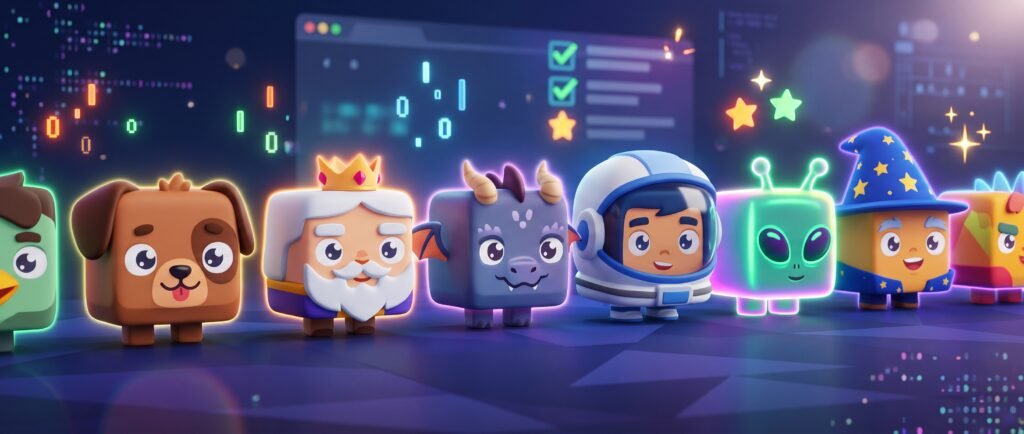
Digital classrooms and browser-based gaming platforms have reshaped how players interact with online worlds. At the center of this shiits the blook, a square, customizable character icon that serves as both a player avatar and a collectible digital reward. Originally popularized by the educational gaming platform Blooket, these blocky characters turn standard quiz sessions and mini-games into vibrant, goal-driven experiences. Rather than staring at plain text usernames on a leaderboard, players represent themselves through expressive animals, astronauts, mythical beasts, and seasonal mascots. Understanding how a blook works from drop rates and token economies to collection scores unlocks a deeper appreciation for modern gamified technology. Whether you are an educator building engaging review sessions, a student chasing elusive animated characters, or a tech enthusiast studying digital reward loops, this guide breaks down everything you need to know about the blook ecosystem.
How a Blook Powers Modern Browser Gaming
In browser-based educational games, visual identity drives long-term engagement. A blook acts as your digital persona inside live lobbies, competitive mini-games, and solo challenges. When players join a session via a game code, selecting an avatar immediately personalizes the screen and builds excitement before the first question even appears.
- Instant Visual Identity: Every player picks a square character icon before entering a match, replacing generic text labels with recognizable art.
- Cross-Mode Compatibility: Your chosen character carries over seamlessly across more than 15 distinct game modes, including Tower Defense, Gold Quest, Café, and Crypto Hack.
- Interactive In-Game Roles: Certain characters actually appear inside specific game environments as active elements for example, functioning as defensive units in Tower Defense or rare catches in Fishing Frenzy.
- Zero-Download Accessibility: Because the platform runs entirely inside standard web browsers, character graphics load rapidly on laptops, tablets, and smartphones without requiring heavy software installations.
Exploring the Complete Blook Rarity Hierarchy
Not every character in the game carries the same prestige. The platform organizes every blook into an eight-tier rarity system that balances easy accessibility for newcomers with thrilling long-term goals for dedicated collectors. Each tier features distinct visual framing, drop probabilities, and token sell values.
- Common: Unlocked automatically on every new account at zero cost, featuring everyday animals like the Dog, Cat, and Chicken.
- Uncommon: Found frequently in standard packs with drop rates between 12.5% and 19.625%, offering playful designs such as the Frog, Jellyfish, and Clownfish.
- Rare: Mid-tier collectibles with a 5% to 10% drop rate, including favorites like the UFO, Planet, White Rabbit, and Octopus.
- Epic: Harder-to-find characters sitting at a 2% to 5.15% drop chance, highlighted by icons like the Pizza and Snowman.
- Legendary: High-prestige rewards with a slim 0.2% to 1.05% chance of appearing, such as the Megalodon and Baby Shark.
- Chroma, Unique, and Mystical: Ultra-rare, seasonal, or event-exclusive tiers featuring specialized color schemes and smooth character animations.
| Rarity Tier | Typical Drop Rate | Sell Value (Tokens) | Blook Score Contribution | Primary Unlock Method |
| Common | Default (100%) | Cannot sell | 0 Points | Free upon account creation |
| Uncommon | 12.5% – 19.625% | 5 Tokens | 5 Points | Standard Market Packs |
| Rare | 5.0% – 10.0% | 20 Tokens | 10 Points | Standard Market Packs |
| Epic | 2.0% – 5.15% | 75 Tokens | 20 Points | Standard Market Packs |
| Legendary | 0.2% – 1.05% | 200 – 250 Tokens | 35 Points | Standard Market Packs |
| Chroma | 0.01% – 0.08% (or 100% seasonal) | 300 – 350 Tokens | 25 – 50 Points | Rare Pack Drops / Seasonal Shop |
| Mystical | Event Exclusive (0% in packs) | 1,000 Tokens | High Prestige | Official Live Leaderboard Contests |
Inside the Virtual Market and Token Economy
Earning new characters relies on a structured, non-monetary virtual economy built entirely around gameplay performance. Players cannot buy tokens with real-world credit cards; instead, every single blook unlocked through the Market must be earned by answering questions and completing matches. This design keeps the playing field fair while rewarding consistent practice.
- Gameplay Token Rewards: Completing live matches or solo homework assignments awards tokens and experience points (XP) based on accuracy and participation.
- Themed Market Packs: Players visit the Market to spend 20 to 25 tokens per pack across themed collections like the Space Pack, Medieval Pack, Aquatic Pack, Dino Pack, and Safari Pack.
- Bulk Pack Purchasing: A built-in quantity selector lets users open multiple packs in a single batch while calculating total token costs in real time.
- Duplicate Recycling System: Extra copies of characters you already own can be sold back to the system for tokens, funding future pack openings.
- Safety Confirmation Prompts: When selling your very last copy of a character, the interface requires typing its exact full name to prevent accidental permanent loss.
Understanding the Blook Score and Profile Banners
As collections grow, players need a clear metric to measure their progress beyond simple headcounts. The platform introduced the Blook Score system to reward variety and rarity rather than hoarding dozens of identical duplicates. Tracking your score adds a strategic layer to managing your locker and deciding which extras to sell.
- Unique Variety Calculation: Only distinct characters count toward your overall score; holding ten copies of the same Rare icon adds zero extra points.
- Rarity Weighting: Higher tiers contribute significantly more points for instance, an unboxed pack Chroma adds 50 points, whereas a guaranteed seasonal shop Chroma adds 25 points.
- Dynamic Profile Banners: Increasing your score automatically unlocks upgraded banner tiers progressing through Bronze, Silver, Gold, Platinum, and Diamond visual styles.
- Flexible Locker Organization: Users can toggle free starter icons on or off and switch between pack-grouped lists or clean visual grids.
Case Study: Gamified Classroom Engagement in Action
To see how a blook impacts real-world learning, consider a practical comparison between traditional review methods and gamified sessions in a middle school science class. Educators frequently struggle with passive participation during exam prep, where only a handful of confident students raise their hands. Introducing collectible avatars and varied game mechanics shifts classroom dynamics almost immediately.
- The Traditional Approach: Using static paper worksheets or basic flashcards often leads to rapid boredom, low completion rates, and minimal retention among reluctant learners.
- The Gamified Shift: When a teacher converts the exact same 25 vocabulary questions into a live Gold Quest or Tower Defense session, students actively race to answer correctly so they can earn tokens after class.
- Balanced Competition: Unlike pure speed-based buzzers where the fastest reader always dominates, randomized reward chests and strategic power-ups give every participant a realistic shot at climbing the live leaderboard.
- Actionable Teacher Analytics: Once the match concludes, automated host reports highlight exact accuracy percentages per question, letting instructors spot knowledge gaps immediately without grading papers manually.
| Evaluation Metric | Traditional Flashcards / Worksheets | Gamified Blook-Based Review |
| Student Participation | Moderate; often limited to top performers | High; entire class engages simultaneously |
| Feedback Speed | Delayed until teacher grades work | Instantaneous after every single question |
| Intrinsic Motivation | Low; driven mostly by grades | High; driven by tokens, leaderboards, and collectibles |
| Replay Value | Very low; feels repetitive quickly | High; 15+ game modes keep identical sets fresh |
| Performance Data | Manual tallying required | Automated post-game accuracy breakdowns |
Limited-Time Events, Seasonal Packs, and Mysticals
Beyond everyday classroom practice, live community events create intense excitement across the player base. Developers regularly rotate seasonal themes and host global competitions where top performers earn exclusive rewards that never appear in standard Market packs. Knowing when these windows open is essential for serious collectors.
- Seasonal Market Rotations: Limited packs including the Spooky Pack in October, Autumn Pack in November, and Blizzard Pack in December cost 25 tokens and feature retired holiday Chromas.
- Holiday Single-Day Releases: Special seasonal icons like the Lovely Frog, Lucky Hamster, and Spring Dragon appear in the shop for brief windows around major holidays.
- Live Community Contests: Global events such as the Contest of Candy or Potions of Pix’halia pit players and guilds against one another on live leaderboards.
- Animated Mystical Trophies: Only five Mystical characters exist Spooky Ghost, Tim the Alien, Phantom King, Rainbow Astronaut, and Hamsta Claus and they are the sole rarity tier featuring smooth, continuous animations.
Accessibility, Account Safety, and Platform Best Practices
A great gaming experience requires inclusive design and strong digital safety habits. Because the platform serves millions of young learners and educators worldwide, its engineering prioritizes browser accessibility alongside clear rules against third-party exploits. Following official best practices keeps your progress secure and ensures smooth performance on any device.
- Inclusive Accessibility Tools: Built-in screen reader compatibility, full keyboard navigation, high-contrast display modes, adjustable timers, and multi-language support accommodate diverse learning needs.
- Student Privacy Protection: Learners can join live teacher-hosted games using a simple six-digit code without creating an account or sharing personal email addresses.
- Avoiding Unofficial Scripts: Players should strictly avoid browser extensions, auto-answer bots, or fake token generators, which violate platform terms and risk permanent account suspension.
- Official Support Resources: Educators and players can verify pack odds, reporting tools, and account recovery steps directly through the official Blooket Help Center and Blooket platform documentation.
Frequently Asked Questions
What does the word blook mean in gaming and technology?
In gaming and educational technology, a blook refers to the signature square, block-style virtual character icons used as player avatars and collectibles on the Blooket learning platform. Outside of gaming, the term also historically referred to a printed book compiled from serialized blog posts, blending the words “blog” and “book”.
How can players unlock rare characters without spending real money?
Every character on the platform is unlocked using free virtual tokens earned by playing games and answering quiz questions accurately. There is no option to purchase tokens with real currency; consistent daily play and recycling duplicate icons in your locker provide all the tokens needed to open Market packs.
Which blook is the hardest to get in the entire game?
Tim the Alien is widely recognized as the rarest Mystical character in existence. It was awarded exclusively to the two players who tied for first place during the limited-time Pokémon Are Cool (PAC) global community event and cannot be unboxed from any Market pack.
Can you recover a character if you accidentally sell it?
No, once you confirm a sale in your locker, the transaction is permanent and the character cannot be restored by support. To prevent accidental losses, the platform forces you to type the character’s exact full name into a confirmation box before selling your final remaining copy.
Do teachers need a paid subscription to use collectible avatars in class?
No, the free educator plan supports up to 60 players per live session and gives students full access to core game modes, token earning, and Market pack collecting. Paid Plus plans simply expand room capacity to 300 players and unlock deeper post-game analytics folders.
Conclusion
The rise of the blook demonstrates how thoughtful game design can transform routine study sessions into genuinely exciting digital experiences. By combining expressive square avatars, transparent rarity tiers, and an effort-based token economy, modern learning platforms give players tangible goals that reward curiosity and persistence. Rather than relying on pay-to-win mechanics, every pack opened and every banner upgraded reflects real time spent engaging with educational content. For teachers, these tools deliver instant performance insights without sacrificing classroom energy. For students and collectors, tracking down elusive Chromas or chasing seasonal packs turns everyday review into a memorable adventure. Ready to put these insights into practice? Sign into your dashboard today, explore a fresh question set in a new game mode, and start building your own high-scoring collection.